Transition towards a more safe, sustainable and professional horticulture sector in Viet Nam

Transition towards a more safe, sustainable and professional horticulture sector in Viet Nam

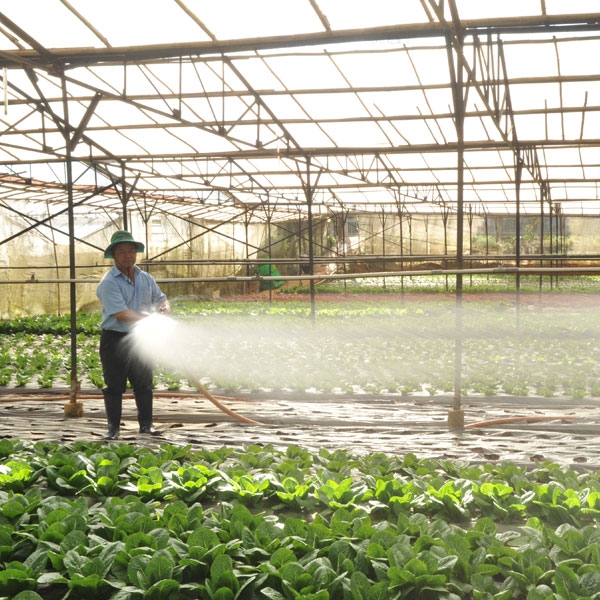
During the last decade greenhouse vegetable production has seen an enormous development in Vietnam. Farmers have invested in more modern greenhouse infrastructure and embraced improved growing technologies, greatly increasing productivity, product quality and profitability per production area.  Although Vietnamese vegetable farmers have adopted more advance greenhouse production methods, the control of diseases and pests is still done through frequent and intensive application of chemical crop protection products.

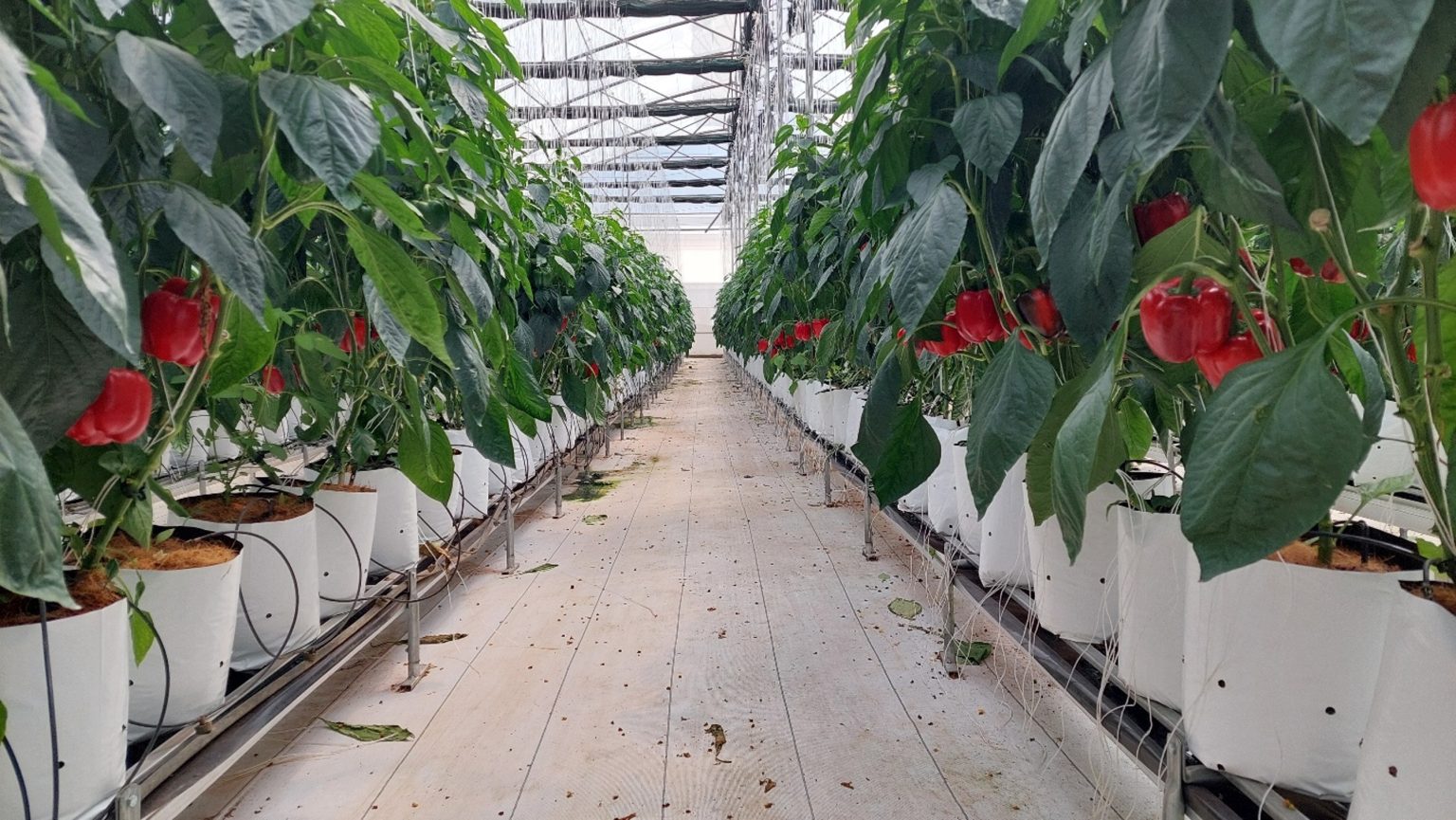
Figure 1 - More advance production methods for sweet pepper have resulting in higher yields and quality, but pests and disease management is still done with frequent and intensive application of chemical crop protection products.

The continuous shift towards more advanced greenhouse production methods and increasingly stricter market requirements in terms of food safety has created a momentum amongst Vietnamese farmers to start focussing on more sustainable product methods in which much less chemical crop protection products are applied. In practice this means that farmers are now more open to test and try technologies which can prevent pests and diseases to develop or to control pest and diseases in a biological way. Growing crops in this way means that farmers apply Integrated Pest Management (IPM).

Integrated Pest Management (IPM)

The goal of Integrated Pest Management (IPM) is to minimize this harm and control acceptable infestation levels rather than eradicate all undesired populations. This is why it is important to understand which control measures are justified in each case and use aggressive control measures only when other integrated management techniques don’t work. On a larger scope, integrated pest management advantages include the promotion of environmental protection and sustainable agriculture in the long run.

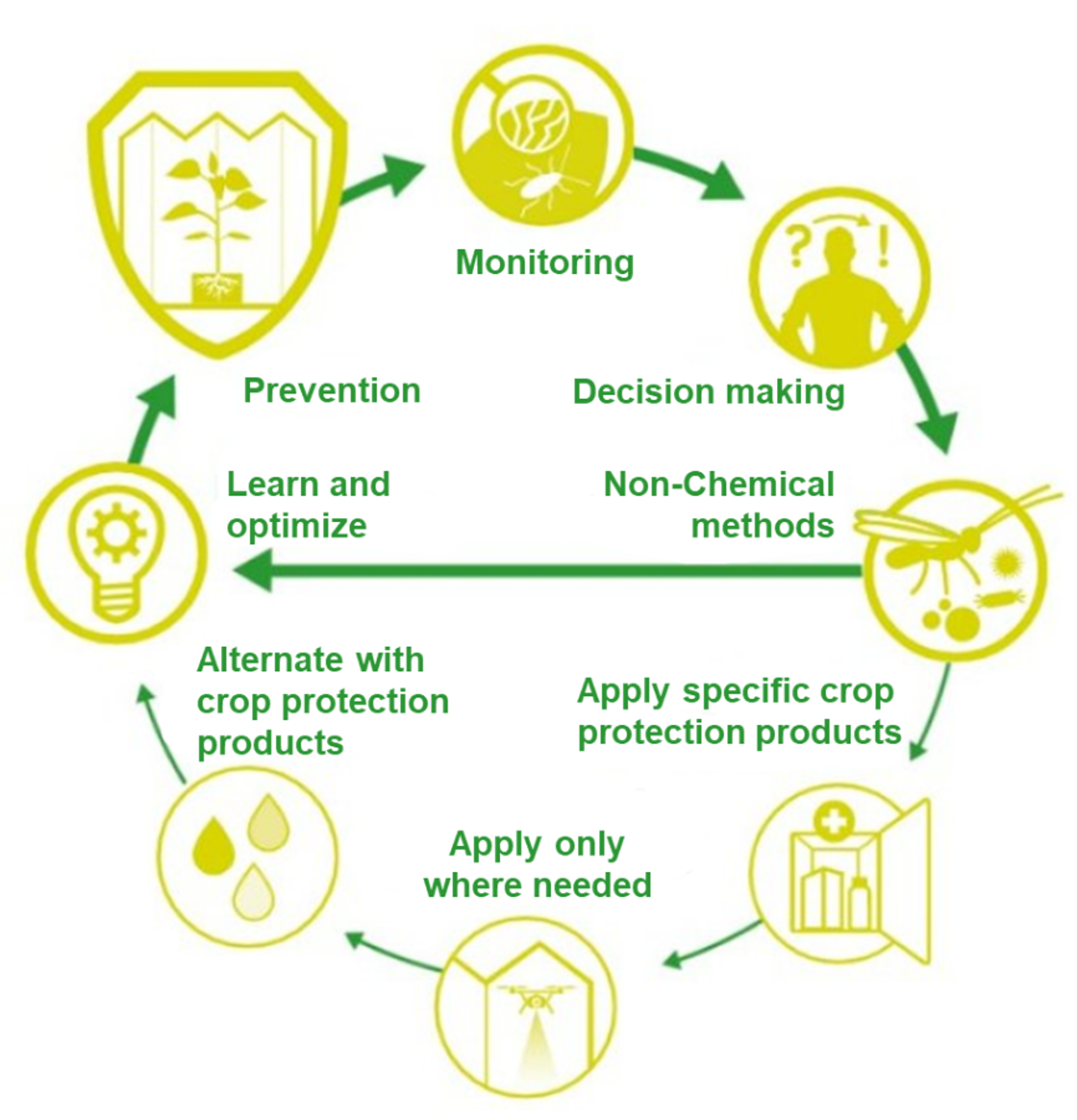
Figure 2 - IPM Tool Schedule Source: https://ipmtool.glastuinbouwnederland.nl/ipm-tool-schema

Despite IPM demanding individual solutions in each case, the concept of an integrated pest management program typically covers the following aspects:

  • Problem assessment is the way to start an IPM program by deciding if the disease or pest presence is dangerous for a crop. A correct understanding of the infestation scope determines how a potential disease or pest should be prevented or controlled.
  • Preventive measures intend to reduce infestations by applying different agronomic techniques. Prevention in integrated pest management may include crop rotation, planting disease or pest resistant varieties, the use of certified seeds and planting material but also the application of hygiene protocols and more efficient irrigations practices.
  • Disease and pest monitoring are the next components of an IPM program because a decision is made to take a corrective action or not and how, based on the disease and pest level in a crop and other factors influencing pest or disease development.
  • Decision making if an action is needed or not is based on the results of the disease and pest monitoring data. For the decision to be made the guiding principle is the planned IPM strategy of preventative and non-chemical methods
  • Non-chemical methods means the application other technologies than traditional chemical crop protection products, e.g.
    • Application of natural enemies
    • Physical e.g. sticky traps / ground cover
    • Pheromones
  • Chemical correction, if there is no suitable or feasible non-chemical method to keep a pest or disease under control, a chemical crop protection product is applied, considering legislation, how and where to apply and choosing the least harmful option.

Transition to IPM in Vietnam

Sustainable and climate smart agriculture development remains high in the priority list of the Netherlands in Viet Nam, in line with the Strategic Partnership Arrangement (SPA) in sustainable agriculture and food Security of the Netherlands and Viet Nam. Focus of the government of the Netherlands in Viet Nam is the food system approach with the link towards sustainability, transparency and responsibility. IPM aligns very well with the food systems approach.

Successful implementation of IPM requires a holistic approach, starting from the propagation stages of plant material (seedlings) till the harvested produce leaves the farm. During these stages a wide variety of know-how and technologies needs to be applied to prevent the development of pests and diseases and minimize the application of chemical crop protection products as a corrective measure. In the case a correction action needs to be taken with chemical crop protection products, it is paramount this is done in the most efficient and safe way, including for the person applying the crop protection product. This is certainly a topic to which Dutch know-how and technologies can ensure that the application of crop protection products is done in the most efficient and safest way.

Adoption of IPM by Vietnamese farmers – IPM Lam Dong project

Vietnamese farmers are open to use more safe and sustainable production methods, and farmers have started to apply IPM strategies at their farms. For example, choosing disease resistant varieties, using sticky traps to monitor and catch pests and applying natural enemies to prevent or control pests. But more is needed for IPM to become the mainstream production method in Vietnam, such as training and knowledge development in IPM strategies, access to new technologies supporting IPM and demonstrating IPM technologies in the field. To address these points the project: “IPM and improved crop protection application methods for a sustainable food system in Viet Nam”, in short “IPM Lam Dong”, funded by the Dutch Government, was officially launched in October in Da Lat city during an IPM conference.

The main project objective of the IPM Lam Dong project is that IPM becomes the common practice of Vietnamese farmers to prevent and control pests and diseases with minimal use of chemical crop protection products, creating a safe and sustainable horticulture supply chain in Vietnam.

The project partners: Fresh Studio, Koppert, Da Lat University in close collaboration with PPD Lam Dong, will establish 3 IPM demonstration locations, and establish a training and IPM extension system to demonstrate to farmers IPM technologies, increase the knowledge level related to IPM strategies and provide technical support to farmers to apply IPM strategies at their farm. The project will run till end of 2026.

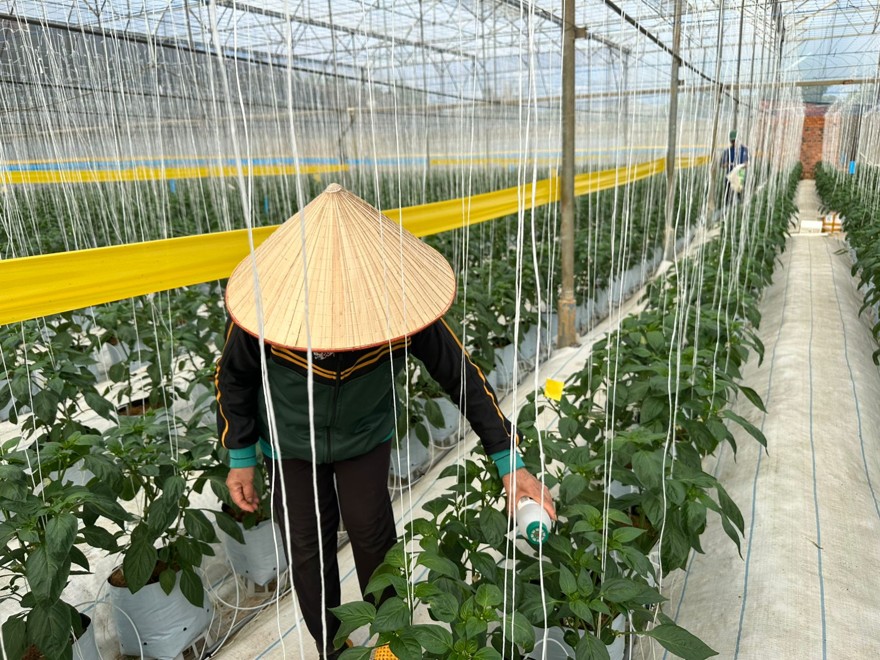
Figure 3 - Application of natural enemies in a greenhouse in Vietnam

IPM Conference

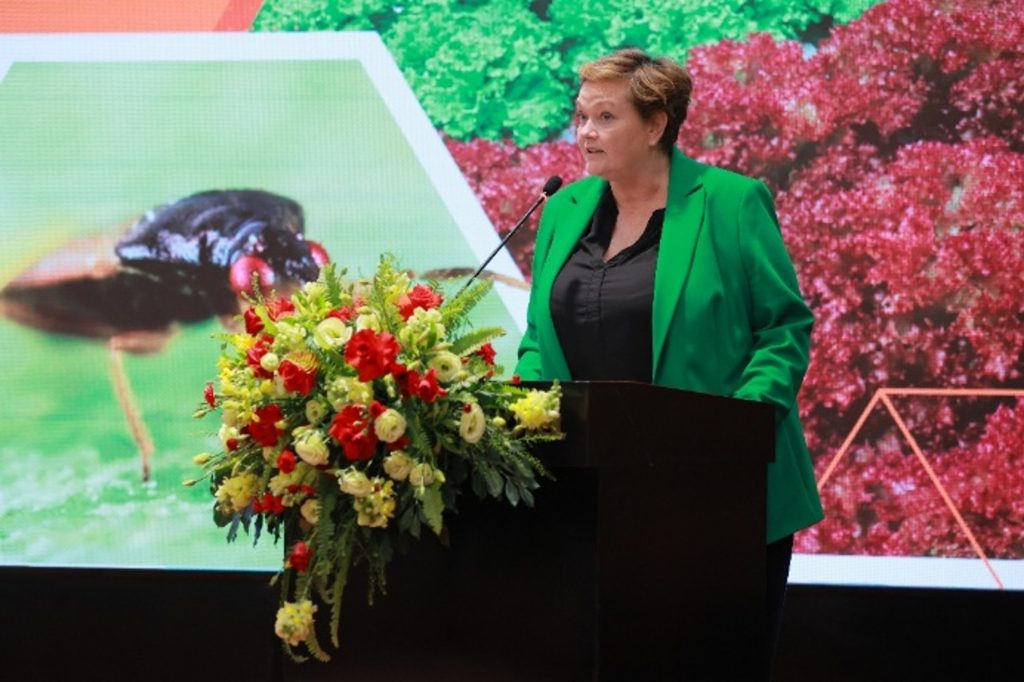
To increase awareness about IPM and to officially launch the project the conference “IPM: Application of Biological Control Agents and official launch IPM project Lam Dong”, was organised in Da Lat, Lam Dong province on 8 October 2025. During the conference key stakeholders, such as Mr. Nguyen Quang Hieu – Deputy Director of the Department of Horticulture and Plant Protection, Ms. Ingrid Korving – Agricultural Counsellor, Embassy of the Netherlands, Mr. Rene van Rensen – R&D Director Crops, Fresh Studio and Mr. Rob Rippens, Business Manager Asia Pacific, Koppert and local representatives from the horticulture sector actively joined to present, discuss and learn from each other, about IPM and how to stimulate the adaptation of IPM strategies.  The presence of over 200 participants and Dutch horticulture technology suppliers: Koppert, Rijk Zwaan, Enza Zaden, Bejo, BVB-Substrates, Royal Brinkman, Priva and Ridder is a clear indication that farmers and other stakeholders are very interested to learn more about IPM strategies and how to apply these strategies in practice n Vietnam.  

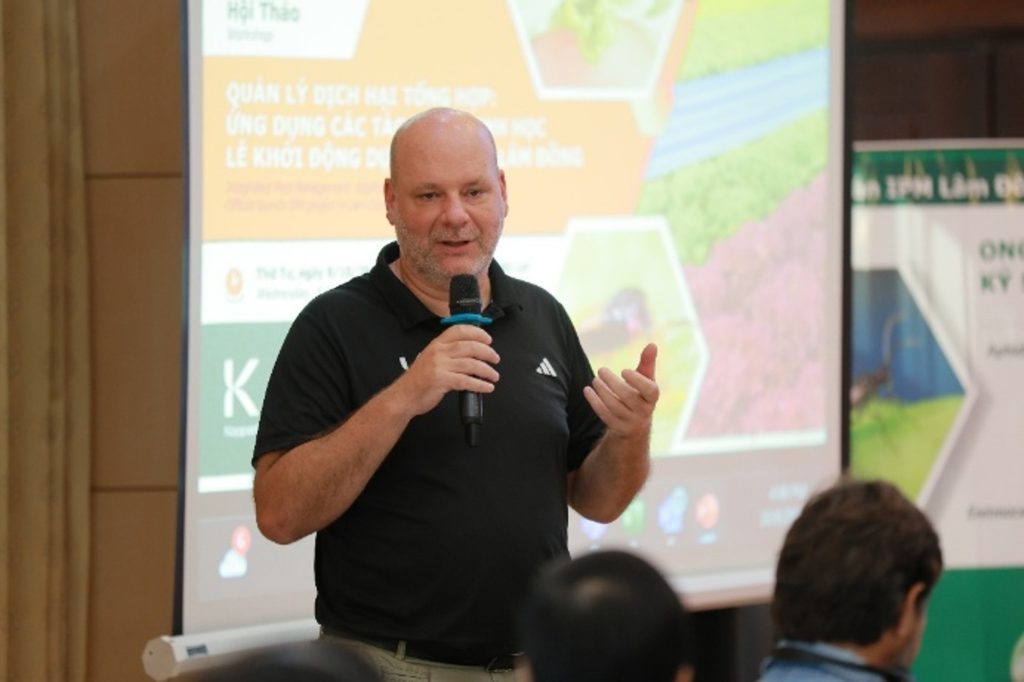
Full room during afternoon IPM workshop
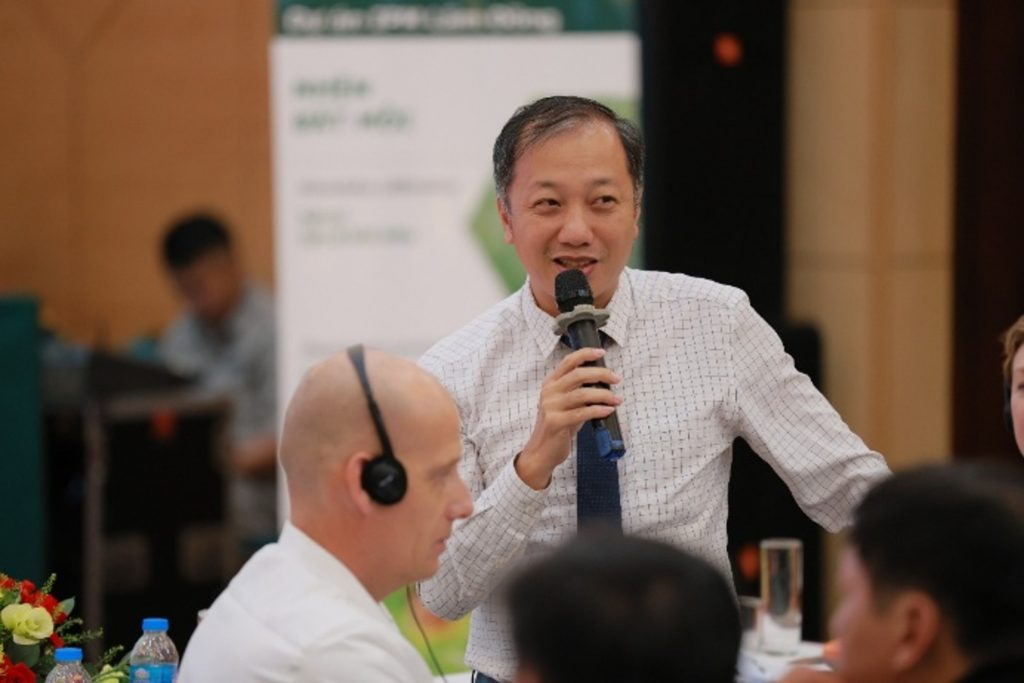
Mr. Nguyen Quang Hieu – Deputy Director of the Department of Horticulture and Plant Protection spoke at the opening of the conference
Full room during afternoon IPM workshop
Mr. Nguyen Quang Hieu – Deputy Director of the Department of Horticulture and Plant Protection spoke at the opening of the conference
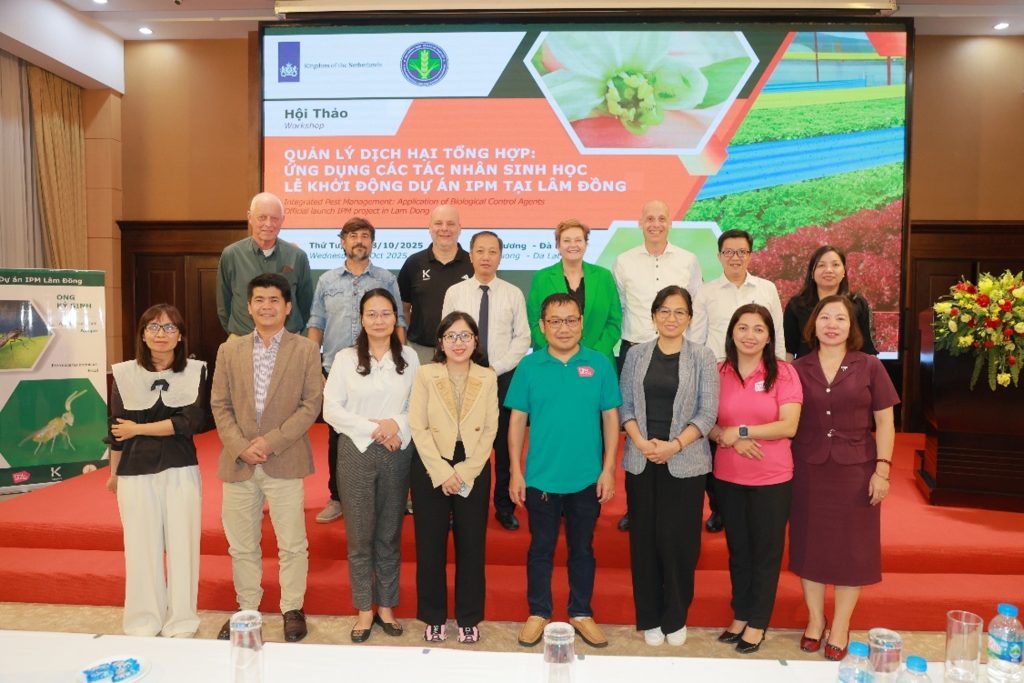
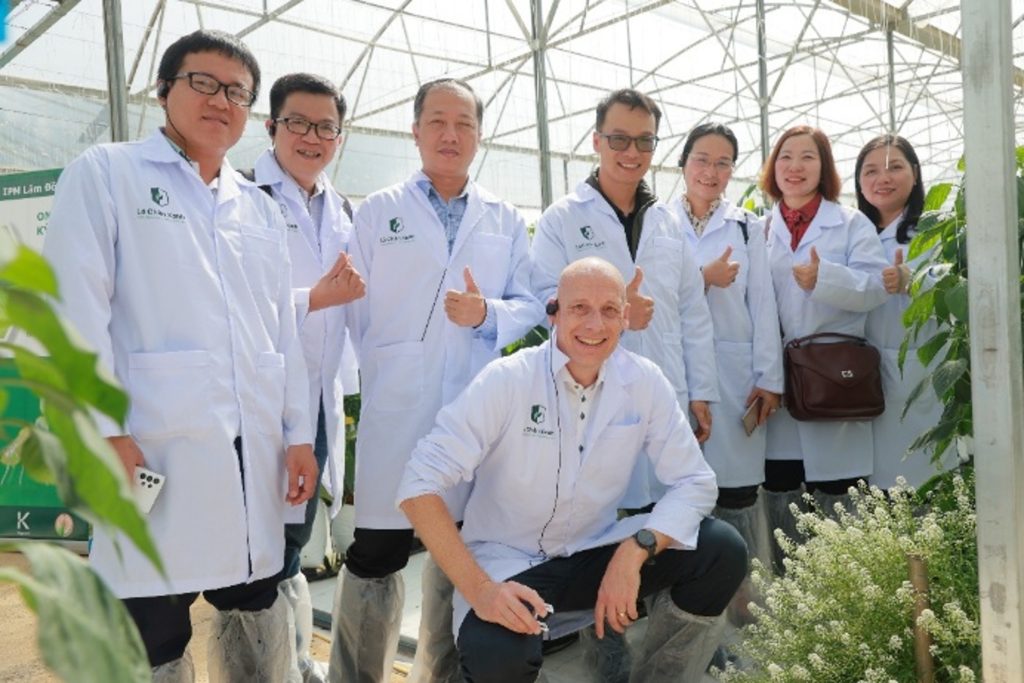
Figure 4 - Group picture with IPM conference participants

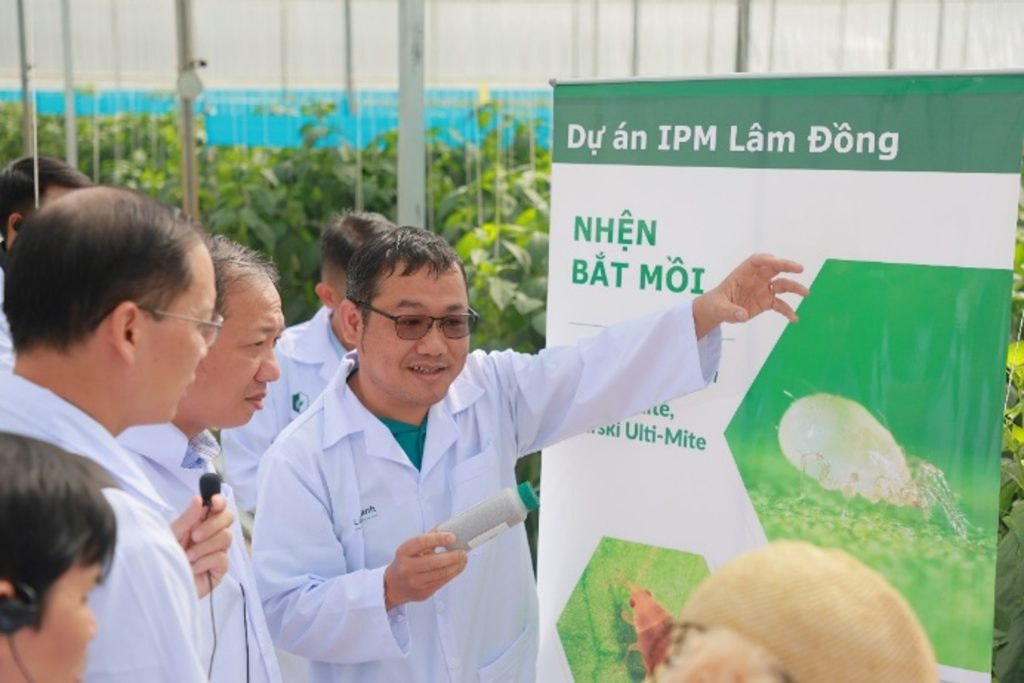
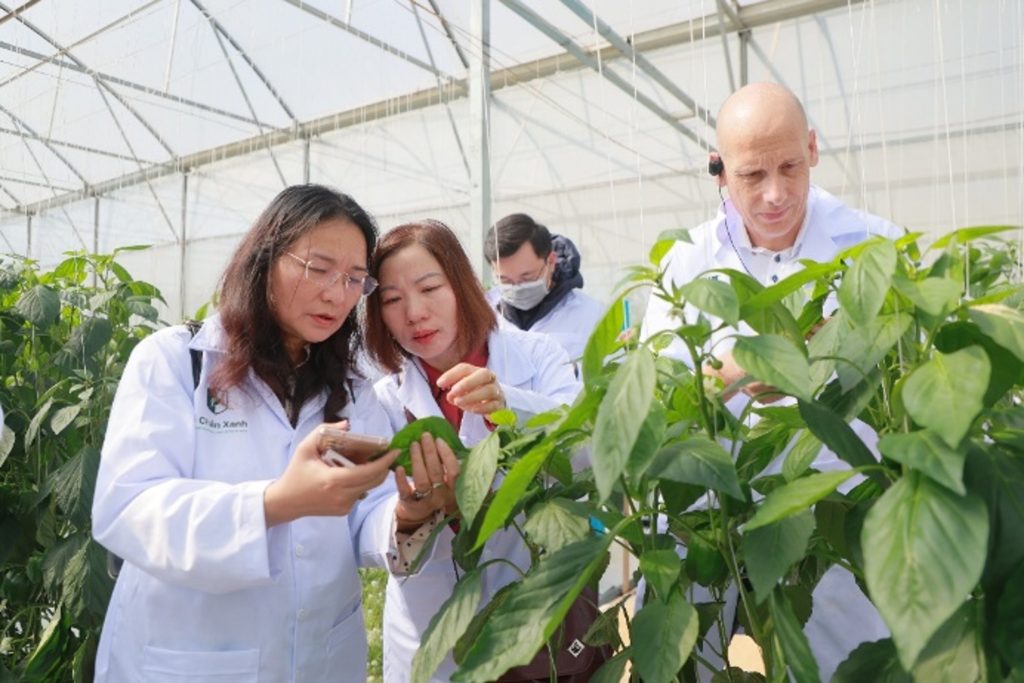
As part the conference activities a field visit to one of the IPM demonstration locations was organised to see biological control agents of Koppert in action in a sweet pepper crop. Participants could observe that biological control agents, such as predatory wasps, bugs and mites imported from the Netherlands established and developed well in the sweet pepper crop, keeping pest insects such as spider mites, thrips, white flies and aphids under control.

In the coming period the IPM project Lam Dong will continue to its project activities to train farmers and demonstrate IPM technologies.

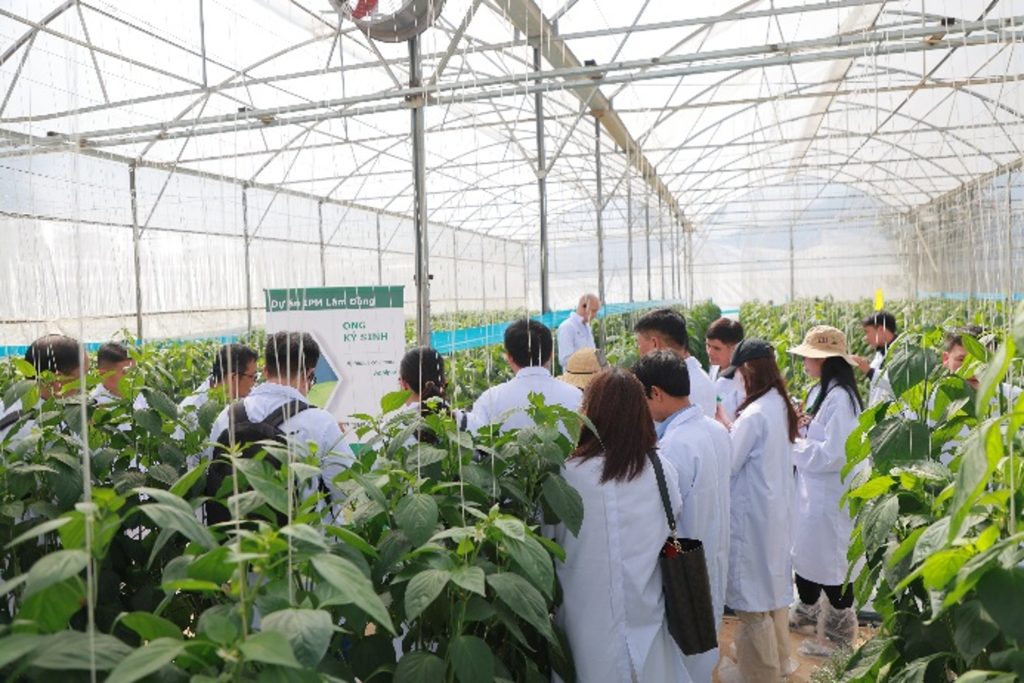
Visit of workshop delegation to IPM demonstration greenhouse

Development of dairy farm monitoring system

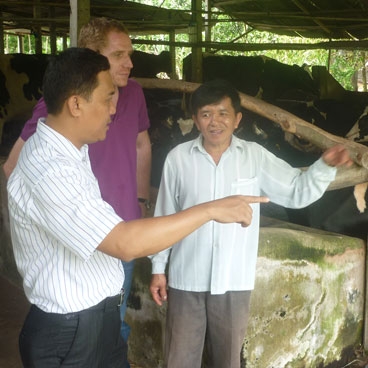
For one of our clients, Fresh Studio developed a simple, cash-based farm monitoring system and conducted a trial with four dairy farmers in Cu Chi District, HCMC, Vietnam.

Background

In order to obtain better insights in farm economics and performance of individual dairy farmers, Fresh Studio developed a smallholder dairy farmer monitoring system. This will help farmers to improve their farm management.

In addition, the monitoring system will help farmers to get easier access to loans. There is currently limited access to finance for dairy farmers in Vietnam which causes difficulties to smallholders who want to scale up their operations. To provide access to loans for farmers, the financial performance of farms should be quantified. In this way dairy farmers can, for example, show banks how much free cash flow they are generating to repay a loan.

Approach

Fresh Studio developed a dairy farm monitoring system to quantify the actual cash that is generated with dairy farming in Vietnam. Furthermore, we give dairy farmers information on key performance indicators as average milk production per cow, costs per kg of milk produced and share of inputs on total costs.

In order for dairy farmers to comply easily with the system, it focused on actual input. Farmers recorded their inputs in a simple booklet that distinguished different types of inputs.

A trial with the dairy farm monitoring system is conducted with four dairy farmers in Cu Chi, HCMC. At the start of the trial the stock of all inputs was recorded. During the trial farmers registered their actual inputs as well as cash expenses in a booklet. Every two weeks (one period in the monitoring system) a Fresh Studio consultant visited the farmers to collect the booklets and at the end of the trial stock was recorded again.

Outcome

Fresh Studio completed the trial with a farm report for each farmer which included the revenue/outputs and all expenses/inputs and summarized the (financial) performance of the dairy farm. In addition a benchmark was made which showed the performance of an individual dairy farmer compared to the group.
Private GAP implementation for large wholesaler

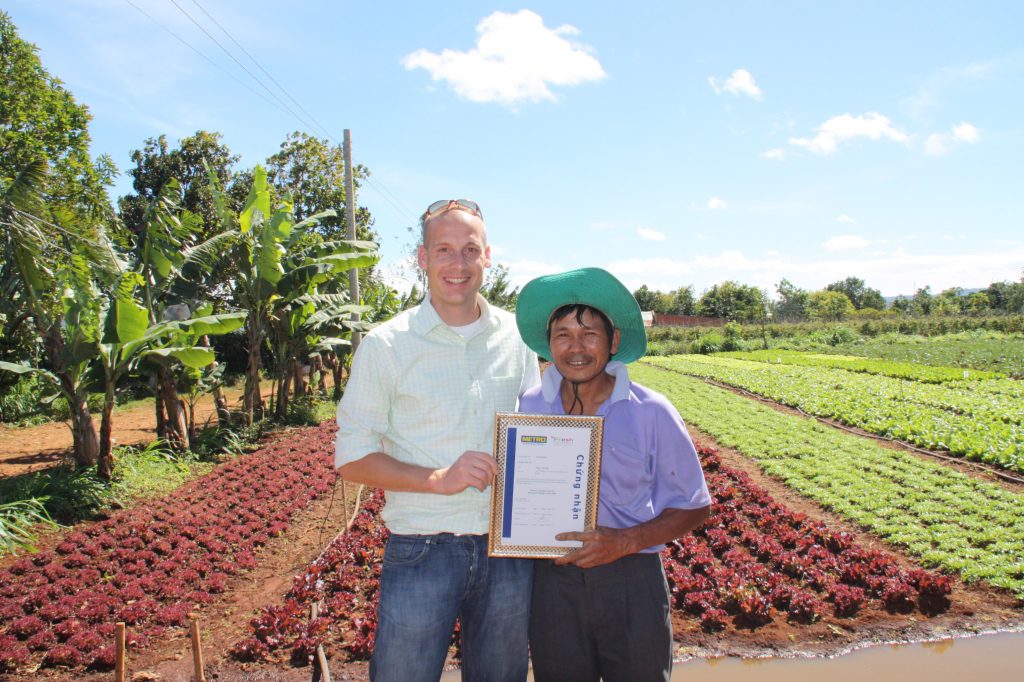
Upon request of one of world’s largest wholesalers we developed a private standard on good agriculture practices (GAP) with a specific focus on food safety.

The standard, guaranteeing full traceability from farm to fork, is tailored to two distinct fresh categories: vegetables and fish. Next a training program was designed and all actors along the production chain were trained in the implementation of the new standard. To date a team of Fresh Studio auditors audits the contracted farmers and suppliers annually. A random sampling program is being executed, continuously monitoring the correct standard implementation at farm level. Quality controllers check the incoming products daily at the client’s platforms (Hanoi, Dalat and Can Tho) for further distribution to all the stores in Vietnam.

Working with a multitude of small scale farmers was one of the main challenges in realizing consistent volume and quality supply. The close collaboration between agronomists and QA staff has proven vital in the realization of the QA program. This program is unique in Vietnam and sets our client aside from competition in terms of food safety.

A significant side effect of the standard implementation is that a whole village started to follow the example of the GAP farmers in keeping their fields and surroundings free of litter and waste.

Private label introduction for fresh products

Fresh Studio has successfully assisted one of the biggest fruit exporters of Vietnam in obtaining GLOBALG.A.P. certification for pomelo.

Our client is a fruit exporting company targeting both the Asian and the European market with a portfolio of Vietnamese fruits. With European retail channels requiring GLOBALG.A.P. our client requested our support for the implementation of the standard at a large number of Vietnamese contract farmers. Fresh Studio’s QA team first trained the QA staff and agronomists of the fruit company in the GLOBALG.A.P.  standard. Next Fresh Studio assisted the QA team and agronomists of the client in training the contracted farmers. Given that GLOBALG.A.P. is not yet common in Vietnam, the Fresh Studio team went to great lengths to make the multiple farmers understand the importance of the international quality standard.

Parallel to working with the farmers, Fresh Studio’s QA consultant assisted our client with the development of their internal quality management system (QMS). Although this QMS system had to be developed from scratch and it was a challenge to convince farmers to make the necessary investments like building adequate toilet and storage facilities to comply with the standard, after 6 months of hard work the fruit company passed the GLOBAL G.A.P.  audit.

GLOBAL G.A.P. group certification for small scale Pangasius farmers in Tra Vinh

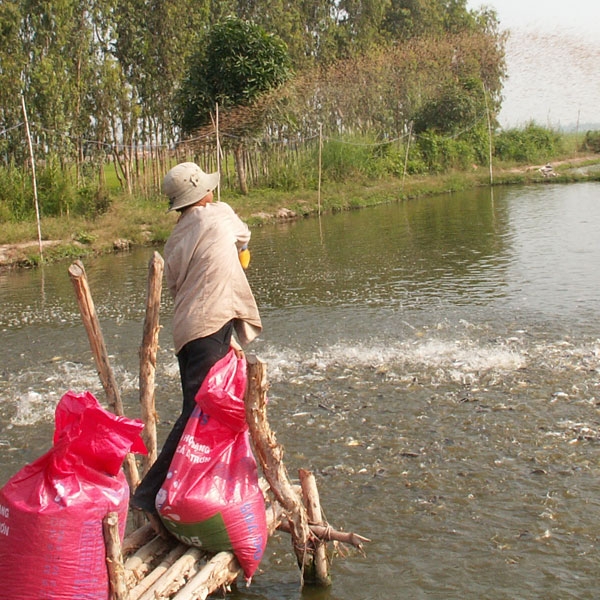
Fresh Studio was contracted by GIZ and IDH to develop a Globalgap certified smallholder pangasius (catfish) farmer group in Tra Vinh Province.
Background

Following an expression of interest by European stakeholders to source pangasius from Vietnam, in 2009 a Public Private Partnership (PPP) was initiated to develop more sustainable pangasius production systems that meet European market standards. The public partners in the consortium were the German Developing Agency (GIZ) and the Dutch Sustainable Trade Initiative (IDH) and from NGO side also WWF Germany and WWF USA participated. A large fish importer and a multinational wholesaler represented the private sector within the consortium. The project targeted its activities to three professional large scale Vietnamese pangasius producers as well as a group of small scale pangasius farmers. (Average 1,5 pond per farms).

Approach

For Fresh Studio, the mission was divided into several components. First, we assessed the discrepancies between existing production systems and the GLOBALG.A.P. and ASC standards. Later, Fresh Studio created an Internal Control System (ICS) for the group of small farmers, trained them in the implementation of the ASC and GLOBALG.A.P. standards and assisted them in maintaining their system towards the final audit.

Outcome

After a period of standards implementation by the farmer group, the 4 first farmers received certification from Control Union for the GlobalGap standard early this year. It is expected that this group will grow and that the best performers among those farmers will be able to apply for an ASC audit. We would like to thank the Tra Vinh fisheries association for all their great efforts to make this project successful.

Recent developments in this project:
Aquaculture Stewardship Council certified pangasius from Tra Vinh Smallholders

It started with an extensive analysis of the gap between the current fish farming practices and the new standard of ASC for pangasius

en_GBEN