Fresh Studio connects with students at NLU Career Fair 2026

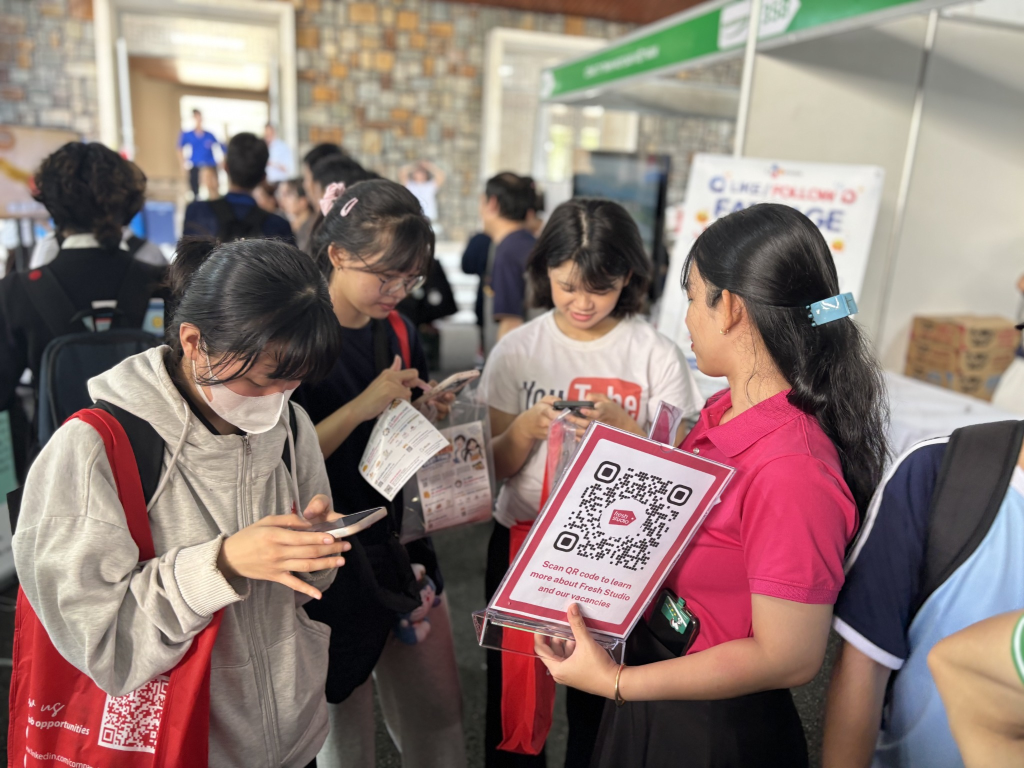
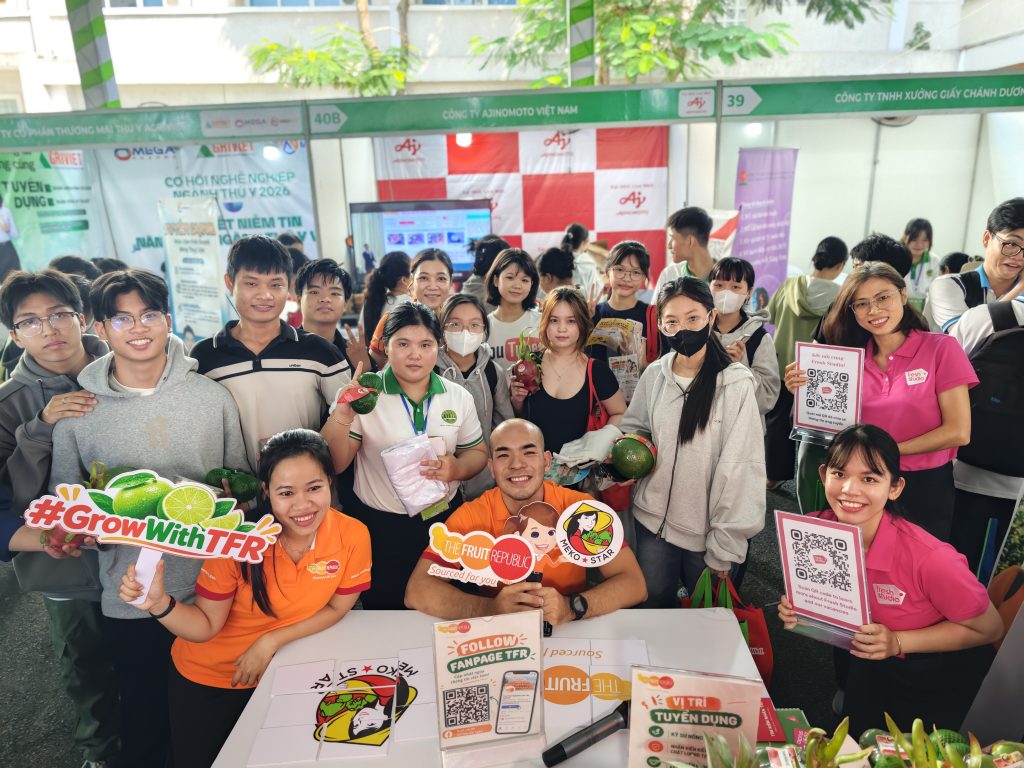
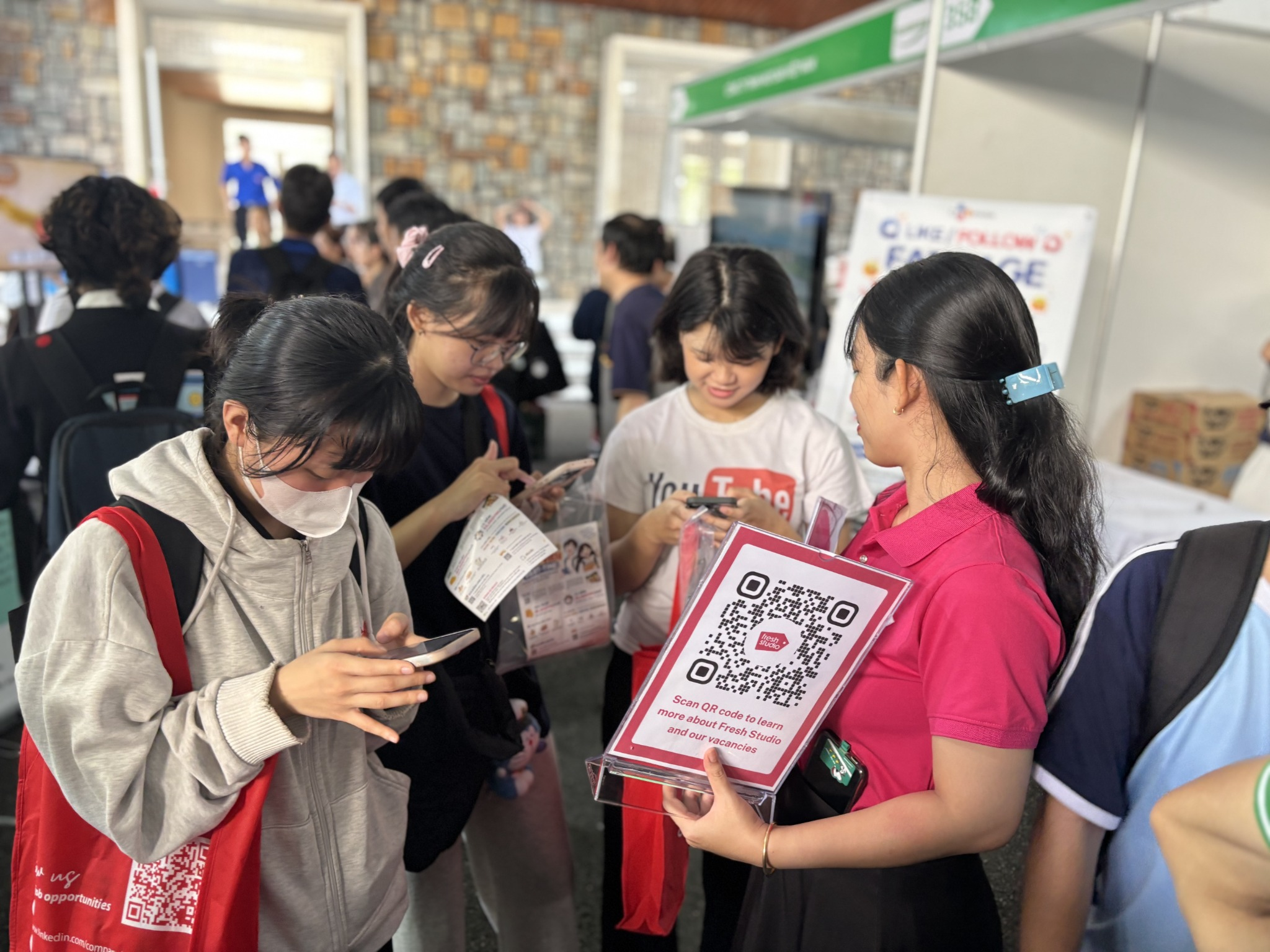
On 6 November 2026, Fresh Studio joined Nong Lam University’s Green Agriculture Forum and Career Fair 2026, connecting with students to explore practical career paths in integrated pest management and sustainable agriculture.

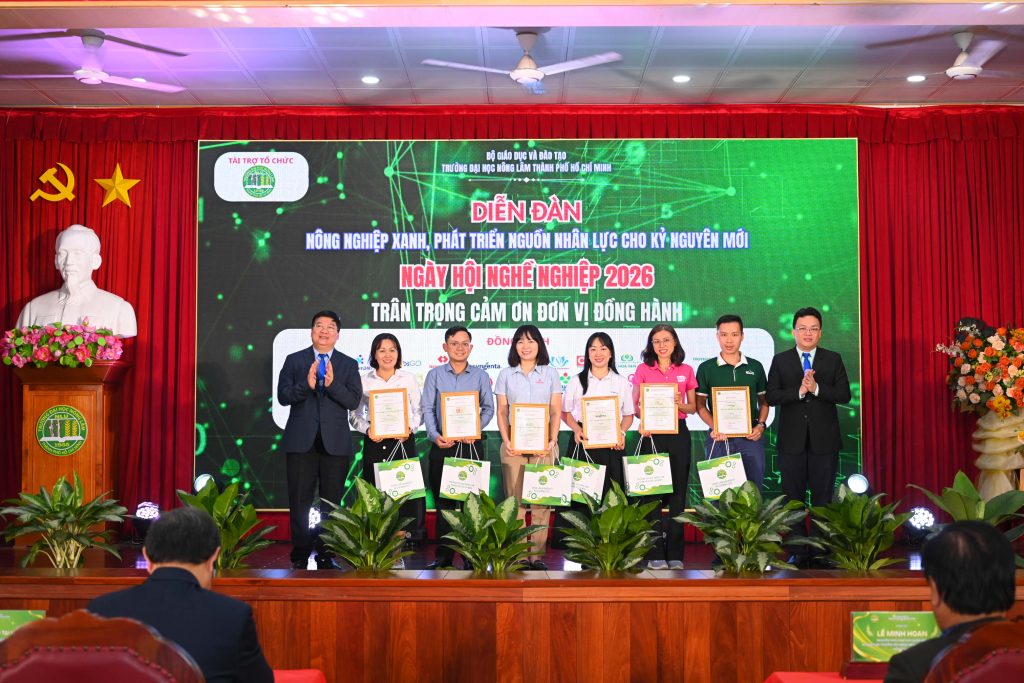
On 6 November 2026, Fresh Studio participated in the Green Agriculture Forum and Career Fair 2026 at Nong Lam University in Ho Chi Minh City. Held under the theme “Green Agriculture – Developing Human Resources for a New Era,” the event brought together universities, experts, businesses and students to exchange perspectives on the future of agriculture and career development. With 44 participating businesses and nearly 3,500 job opportunities across the event, it also offered students a chance to explore the skills and experience needed in today’s job market.

Beyond recruitment, the programme highlighted the growing need to connect academic learning with practical experience as agriculture moves towards greener, more innovative and sustainable production. Discussions addressed emerging trends and the changing skills required of future agricultural professionals.

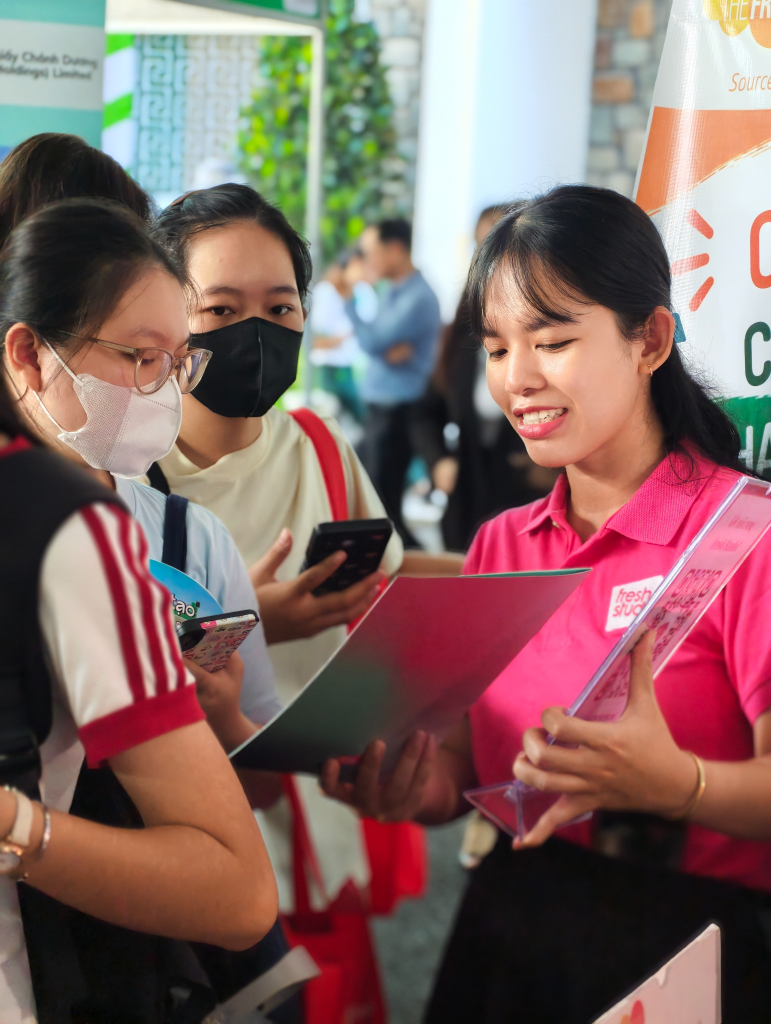
At the Fresh Studio booth, the team introduced the company’s work in agricultural research and development, sustainable crop production and agricultural value chains. Students could learn about potential career paths in Integrated Pest Management (IPM), biological control and other aspects of sustainable agriculture. These fields offer opportunities to apply classroom knowledge through crop monitoring, field-based research, working with farmers and testing practical solutions to agricultural challenges.

Through these conversations, Fresh Studio aimed to help students gain an early understanding of professional work in agriculture, including how safer crop protection practices and responsible production methods can be applied in the field. The event also provided a platform for students to learn about possible future internships and career opportunities, while allowing Fresh Studio to connect with young people interested in contributing to a more sustainable agricultural sector in Vietnam.

Closing the loop: cutting water and fertiliser losses in Vietnam’s greenhouses

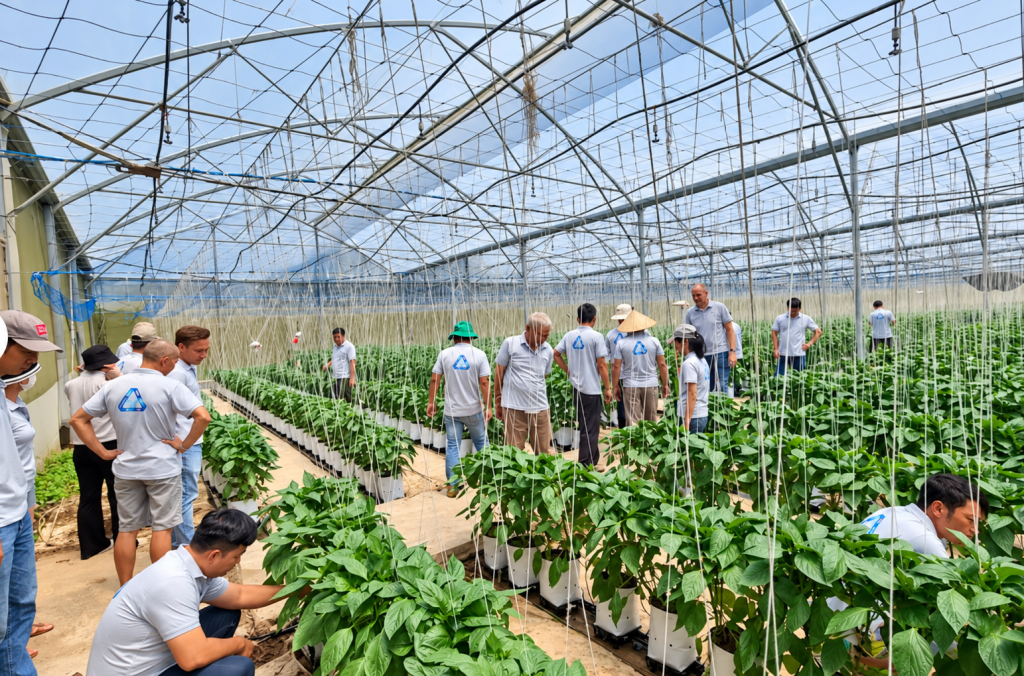
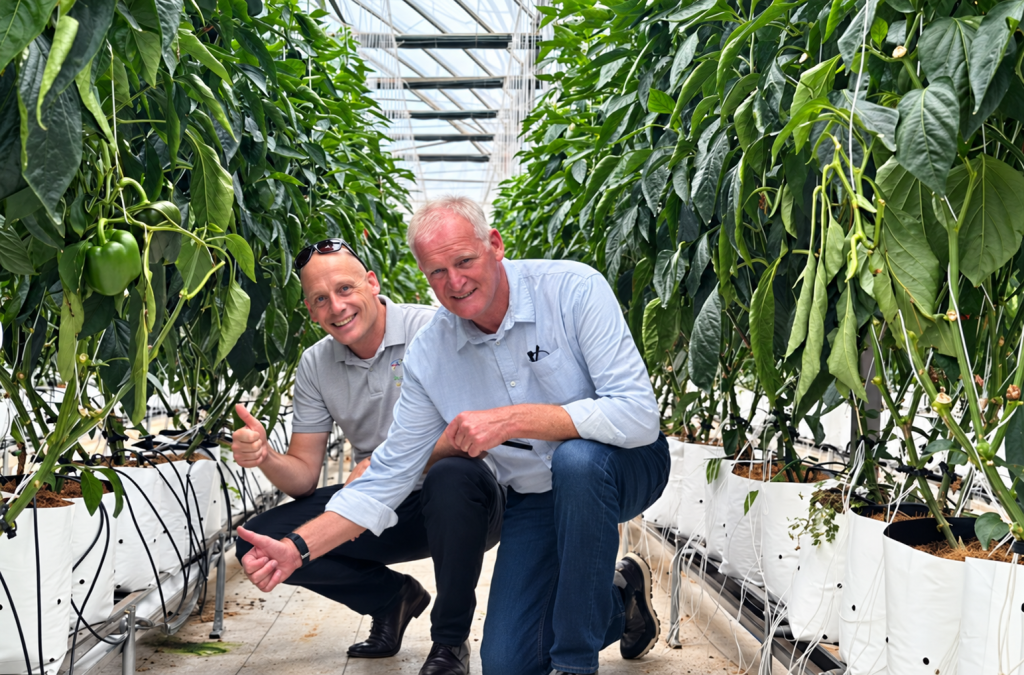
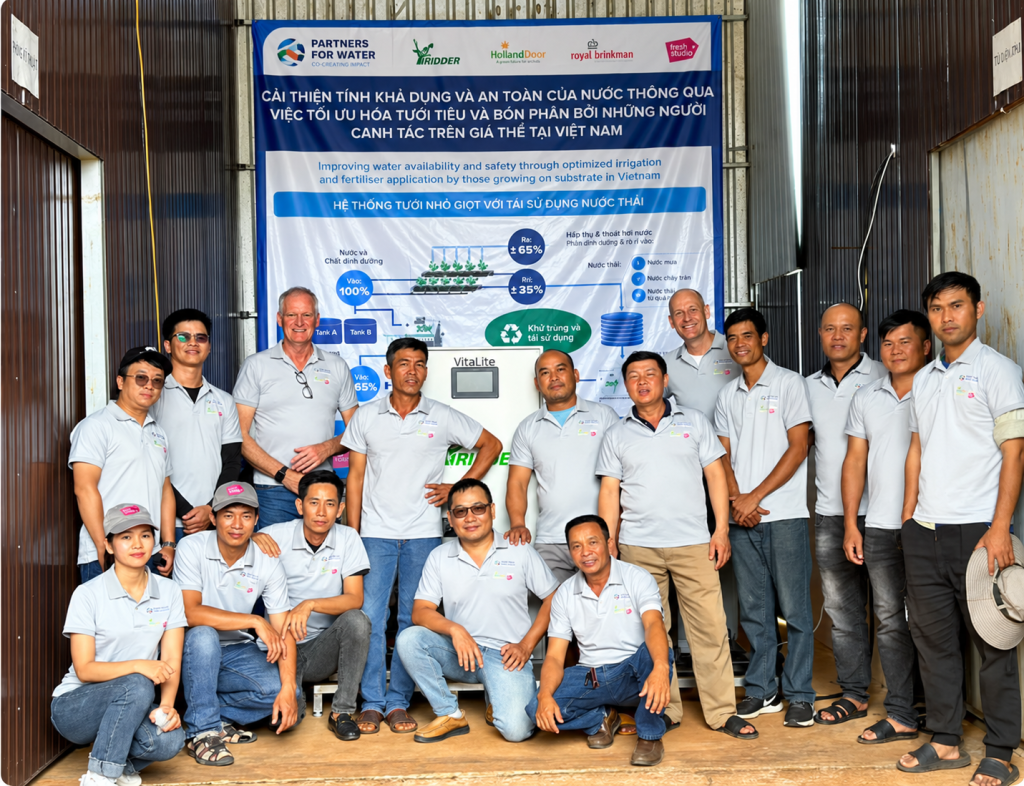
In Dalat, Vietnam, a Dutch–Vietnamese consortium led by Fresh Studio has completed a 30-month pilot to improve water management in greenhouse horticulture. Supported by Partners for Water, the project introduced drain water collection and UV disinfection to reduce nutrient losses.   

The results show savings of up to 40 percent for fertiliser and 35 percent lower water use for participating pepper growers. René van Rensen from Fresh Studio explains how the system works and what it takes to scale it.

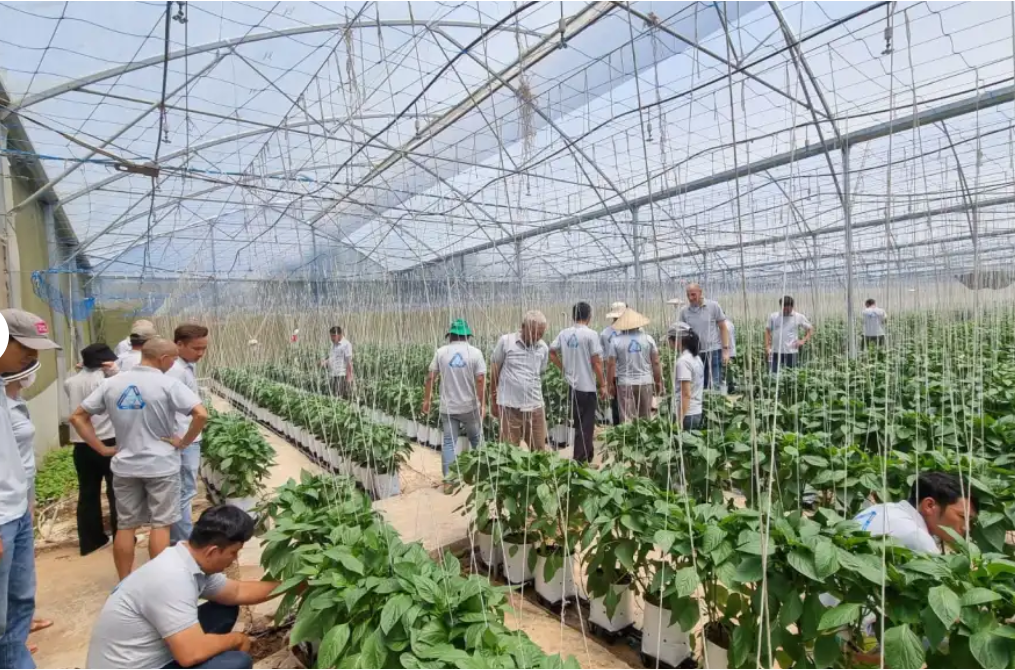
In the highlands of Dalat, greenhouses stretch across the hillsides. Inside, vegetables are grown in substrate rather than soil – a method that offers higher yields and better control over water and nutrient supply. Yet beneath that efficiency, a hidden loss takes place. “When you grow in substrate, crops need 20 to 30 percent more water,” says Van Rensen. “Without a collection system, that excess water drains away and is lost.” In the Netherlands, this water is typically recirculated in closed systems.

For greenhouse growers in Vietnam, improving water management is not only about sustainability, but also about reducing input costs and securing long-term production. As fertiliser prices rise and water resources come under increasing pressure, practical solutions such as drain water reuse are becoming increasingly relevant.

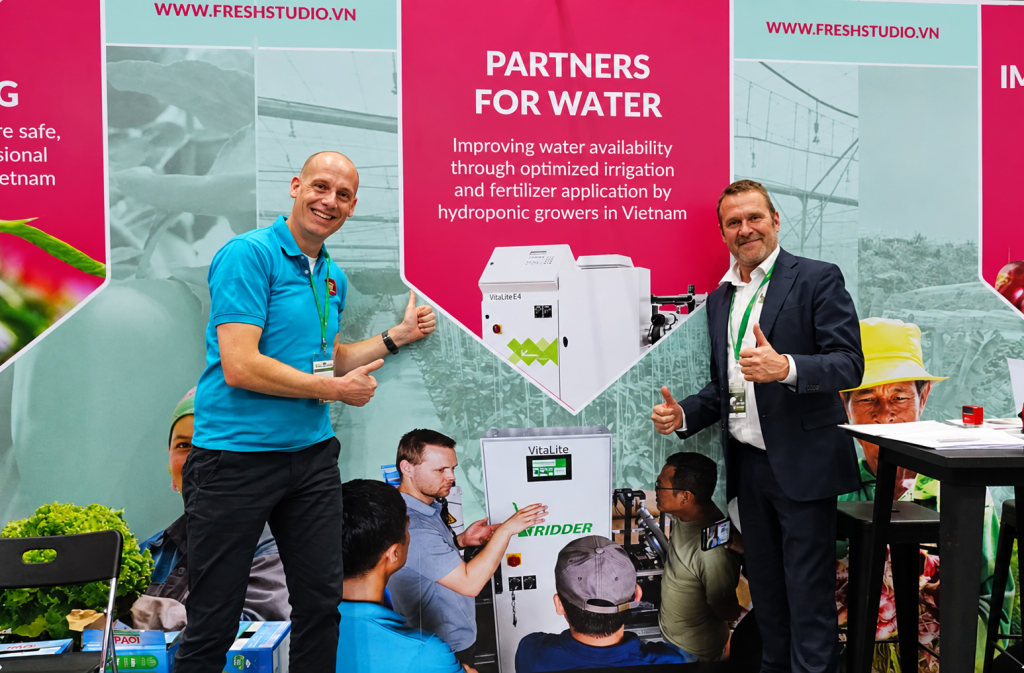
To address this, the consortium – Fresh Studio, Ridder, Royal Brinkman and HollandDoor – introduced a closed-loop drain water system. By capturing, disinfecting and reusing drain water, the team aimed to improve water management while reducing both costs and environmental impact.
Turning drain water into a resource

In substrate systems, part of the irrigation water flows out of the pots as drain water. In the Netherlands, this water must be collected and reused by law. In Vietnam, this is not yet common practice. “The water just goes into the ground,” Van Rensen explains. “All the nutrients go with it. Eventually, they can end up in groundwater or surface water. This means that water is wasted and pollution occurs at the same time.” Simultaneously, water itself is rarely paid for. “If farmers need more water, they simply drill deeper,” he says. “Ten years ago, farmers would pump at 30 metres. Now they go down to 100 metres.”

The real incentive for reusing drain water lies elsewhere: “Fertilisers are one of the biggest cost components in horticulture,” Van Rensen notes. “In substrate-based greenhouse vegetable production, they can account for up to 40 percent of input costs.” Plants do not use all the nutrients in the fertiliser solution. By collecting and reusing nutrient-rich drain water, farmers can significantly reduce those costs. “That means they can recover their investment within two to three years.”

Proven results accelerate adoption

At first, growers were cautious. The full installation costs between 75,000 and 100,000 US dollars. “That is a serious investment,” Van Rensen acknowledges. “Farmers are understandably hesitant. Yet once the results became visible, interest grew more quickly.”

Encouraged by the results, both participating farmers expanded the area covered by the drain water collection system at their own expense. “During the project, this increased to full coverage on one farm (1 hectare) and to around 50 percent (1.5 hectares) on the other,” says Van Rensen. The grower with three hectares is continuing to expand the system, aiming for full coverage by 2027. “In Vietnam, farmers can be sceptical,” Van Rensen says. “But if they see something works, they often move fast.”

Beyond the greenhouse

The project also feeds into a broader discussion about water management in Dalat. Rapid greenhouse development has contributed to local flooding during heavy rainfall. “Greenhouses are sometimes seen as part of the problem,” Van Rensen says. “But they can also be part of the solution.” If each greenhouse were required to capture and store rainwater – an approach already widely applied in Dutch greenhouse horticulture – it could both reduce flood peaks and decrease groundwater extraction, he argues. The consortium is sharing these ideas with the Netherlands Embassy in order to explore possible policy dialogue. “Changes in regulation take time,” he says. “But projects like this show what is possible.”

Building trust for scaling up

For Van Rensen, one lesson stands out. “For solutions to be adopted by farmers, it is very important to demonstrate clear results,” he says. “A pilot site that farmers can visit is therefore very helpful.” Equally important, he emphasises, is local presence. “A strong local partner and a hands-on team are essential. Without people on the ground who understand the local context and can solve problems quickly, implementation will be difficult.”

Building on these experiences, the consortium now aims to see two to five additional growers adopt the system in the coming years. By combining Dutch water technology with local entrepreneurship, the project shows how improved water management can deliver both environmental and economic gains. As Van Rensen concludes: “If the results are clear and the system proves reliable, farmers will decide for themselves.”

This activity is part of the project “Improving water availability and safety through optimized irrigation and fertilizer application by hydroponic growers in Vietnam,” implemented under the Partners for Water program.

Project partners:

  • Ridder Group
  • Royal Brinkman
  • HollandDoor
  • Fresh Studio

For more information about the project, please contact:

Mr. René van Rensen
Managing Partner – R&D Director Crops
Email: info@freshstudio.vn

The Partners for Water program is implemented by the Netherlands Enterprise Agency (RVO) on behalf of the Dutch Ministries of Infrastructure and Water Management; Foreign Affairs; Economic Affairs and Climate Policy; and Agriculture, Nature and Food Quality.

For more information, visit: www.partnersvoorwater.nl

en_GBEN